
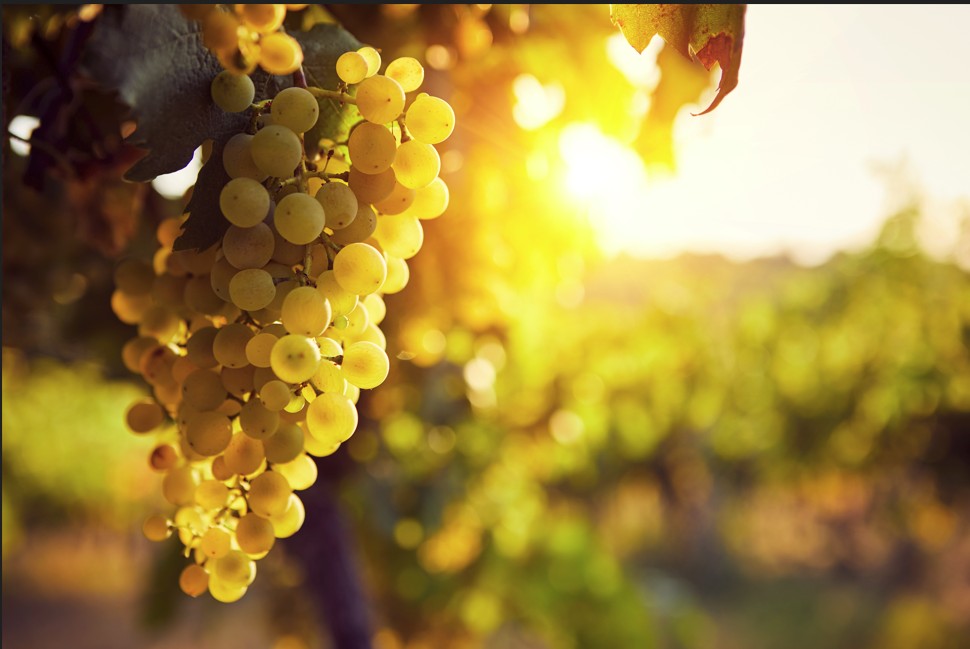
It is harvest time, and at our winery, located in the “Hoya de Buñol” region, Valencia (Spain), this moment is experienced with particular intensity.
It is a privileged location for growing grapes, where the climate, soil and winemaking tradition provide the ideal environment for the Muscat of Alexandria variety to thrive. The harvest of this unique grape, which is used in many of our winery’s wines, marks the beginning of a season full of wines with their own personality.
Vines have been part of this land since pre-Roman times, leaving a thousand-year-old legacy. The climatic conditions of the area—with long periods of sunshine, a dry climate, a location below the 40th parallel and proximity to the Mediterranean, less than 35 km away—create an exceptional environment for the development of the Muscat of Alexandria variety, which stands out for its sensory intensity and natural sugar concentration.
MUSCAT OF ALEXANDRIA: A MEDITERRANEAN GRAPE WITH ITS OWN IDENTITY
This is a typically Mediterranean white grape with the following characteristics:
-Intense aroma and flavour: with floral and fruity notes, such as peach, apricot and citrus.
-Large, juicy berries: with thin skins, ideal for making sweet wines and mistelas.
-High natural sugar content: resulting in sweet and aromatic wines.
This grape is very versatile and expresses itself fully in our wines, standing out for its distinctive aromatic profile and marked personality.
BUT DID YOU KNOW THAT?
Muscat of Alexandria belongs to the “Vitis vinífera” family. It is considered one of the oldest grapevines still in existence without genetic modification. It originated in Egypt, and its name derives from its association with the city of Alexandria, an important commercial and cultural centre in ancient times. The ancient Egyptians used this grape both for winemaking and for direct consumption and raisin production.
HISTORY AND EXPANSION
Over time, Muscat of Alexandria spread to different cultures and regions:
– Greece and Rome: The Greeks and Romans adopted the cultivation of Muscat grapes and perfected winemaking techniques to produce sweet wines and raisins. The Romans called this variety ‘Apiana’ because its sweetness attracted bees. It is said that Cleopatra also enjoyed Muscat of Alexandria at her banquets, appreciating its flavour as a prestigious and celebratory drink.
– Middle Ages: In Europe, Muscat became a wine prized in royal courts and monasteries. It was valued for its sweetness and aroma, both for consumption and as diplomatic gifts.
– Spain: It arrived in Andalusia and the Valencian Community, where it became established as the basis for sweet wines, fortified wines and mistelas. Its cultivation adapted to local climatic conditions, favouring its expansion in regions such as Valencia.
– Global expansion: It subsequently spread to other continents, reaching South Africa, Australia and even California, where it continues to be appreciated today for its versatility and unmistakable aromatic character.
EVERY HARVEST, A TRIBUTE TO HISTORY
The history and charm of Muscat of Alexandria make each harvest a unique moment. At our winery, which specialises in the traditional production of sweet wines in bulk and is also renowned as a specialist in sweet customised wines, we transform this Mediterranean grape into artisanal quality wines. Our family tradition guides every decision, ensuring that each wine captures the richness and unique personality of each bunch, reflecting centuries of history and the essence of the Mediterranean.
To explore the range of Muscat wines we produce in our winery, visit this section of our website